Over the course of my career, from my early days consulting in Abu Dhabi and working in financial trading systems and small startups, to building networks at MLB Advanced Media, to leading engineering teams at Disney Streaming and SiriusXM, I’ve kept a running collection of quotes, articles, passages, and observations that stuck with me. Some came from books. Some from podcasts. Some from a movie about a rat who wanted to cook. All of them stuck.
This post pulls from those notes. It’s not a framework. It’s just what I keep coming back to.
The Best Leaders Create Vision, Not Followers
Steve Jobs said it plainly:
“Greatest people are self-managing. Once they know what to do, they’ll figure out how to do it. What leadership is is a vision and getting people to see that common vision. The best managers are individual contributors who never want to be a manager, but decide they have to be because no one is ever going to do a job like them.”

I’ve seen this play out over and over. The leaders I’ve respected most weren’t the ones who told people what to do; they were the ones who made people want to do it. They created such a clear and compelling picture of where things were going that talented people naturally organized themselves around it.
This is the difference between managing and leading. Managers build roadmaps. Leaders build belief.
Soft Skills Are the Hard Skills
Google once ran an extensive study on what made their best managers great. They distilled it into 13 questions employees could use to evaluate their managers. Only one of those questions, one, asked about technical expertise.
The other twelve? Communication. Feedback. Coaching. Autonomy. Respect. Caring about someone as a person.
The conclusion was uncomfortable for those of us who came up through technical ranks: what you know matters, but how you treat people matters more.
A Robert Half Technology survey of 8,000 IT professionals found the same thing. The top trait of great technology leaders wasn’t technical depth: it was the ability to empower employees. To trust them. To give them room to solve problems themselves without hovering.

Bob Iger put it simply: value ability more than experience, and put people in roles that require more of them than they know they have in them. I was lucky enough to meet Iger once, at D23 during the launch of Disney+, and that line has stuck with me ever since. It’s not a hiring philosophy in the abstract. It’s a description of how organizations do extraordinary things.
That last part is the key. The best thing I ever did for people on my teams wasn’t protecting them from hard assignments: it was throwing them into water slightly over their heads and being there when they needed to surface.
The Courage to Actually Lead
Here’s a failure mode I’ve seen, and fallen into, more than once: the leader who says yes to everything from above and agrees with every pushback from below. The one who can’t make a decision independently. The one who mistakes universal pleasantness for effective leadership.
Most of the time, the culprit isn’t weakness: it’s fear. And as someone once put it, “fear does the work of reason.” It looks like patience. It feels like wisdom. But over time it hollows out the thing leadership runs on: trust.
Nobody trusts a yes-man. Not really. They may like them in the moment, but they won’t follow them into uncertainty.
True leadership requires three things that feel uncomfortable until they become habit:
Don’t rush to decide, but do decide. If you don’t have the information, say so. If someone else owns the decision, route it correctly. But when it’s yours to make, make it.
Give clear feedback. Your job is to shield your team from noise, but not from reality. If a partner team is upset with your reliability, your people need to hear that. If management has an incomplete picture, bridge the gap. Unspoken feedback is just quietly accumulated resentment.
Don’t fear conflict. Disagreement, handled well, is a tool for critical thinking, not a failure of relationship. State your position clearly. Share what worries you and what you’d suggest instead. Debate the problem, not the people.
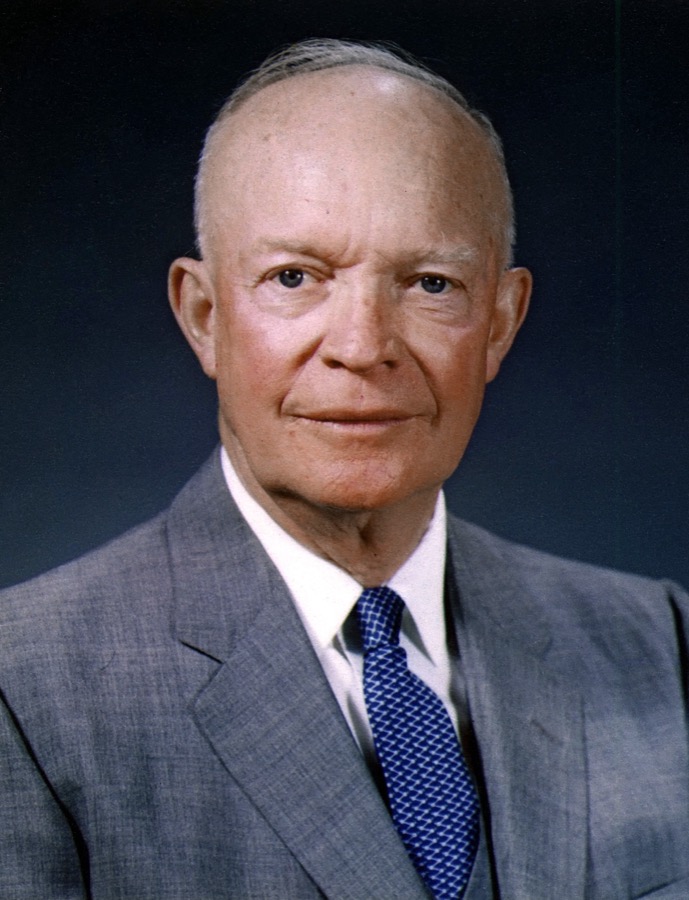
Eisenhower said it best: “The supreme quality for leadership is unquestionably integrity. Without it, no real success is possible.”
Great Talent Can Come From Anywhere
There’s a scene in Ratatouille where the food critic Anton Ego, having experienced something extraordinary from an unexpected source, reflects on his own assumptions:
“Not everyone can become a great artist; but a great artist can come from anywhere.”
I keep this one close. In tech, we have a tendency to over-index on pedigree: the right school, the right company, the right title history. But some of the most capable people I’ve worked with didn’t look the part on paper.
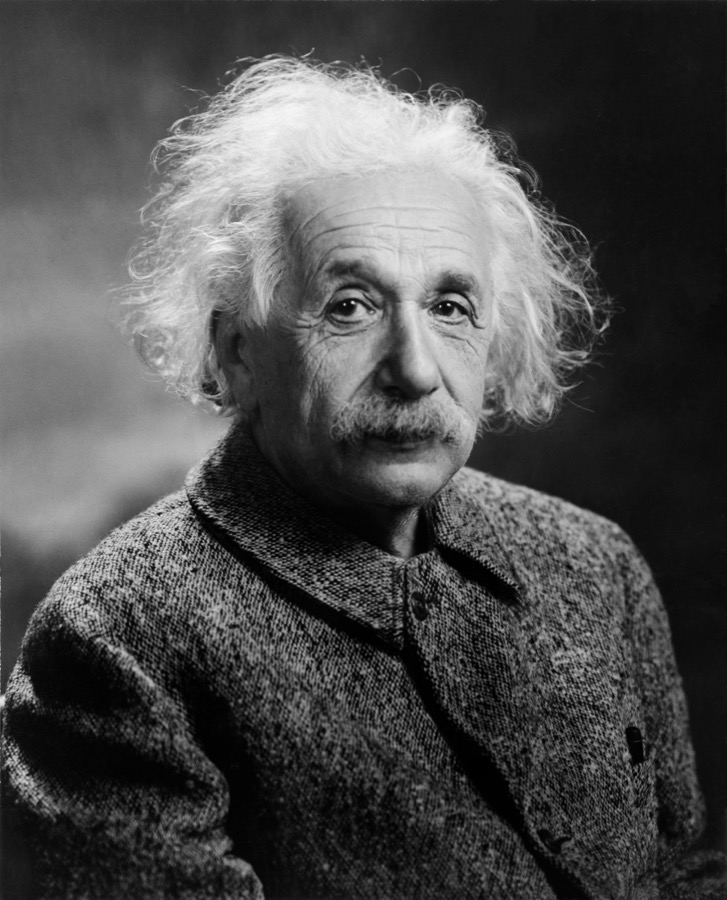
Einstein’s version: “Everybody is a genius. But if you judge a fish by its ability to climb a tree, it will live its whole life believing that it’s stupid.”
Your job as a leader is to figure out what someone is actually good at, not to evaluate them against a template that was designed for someone else.
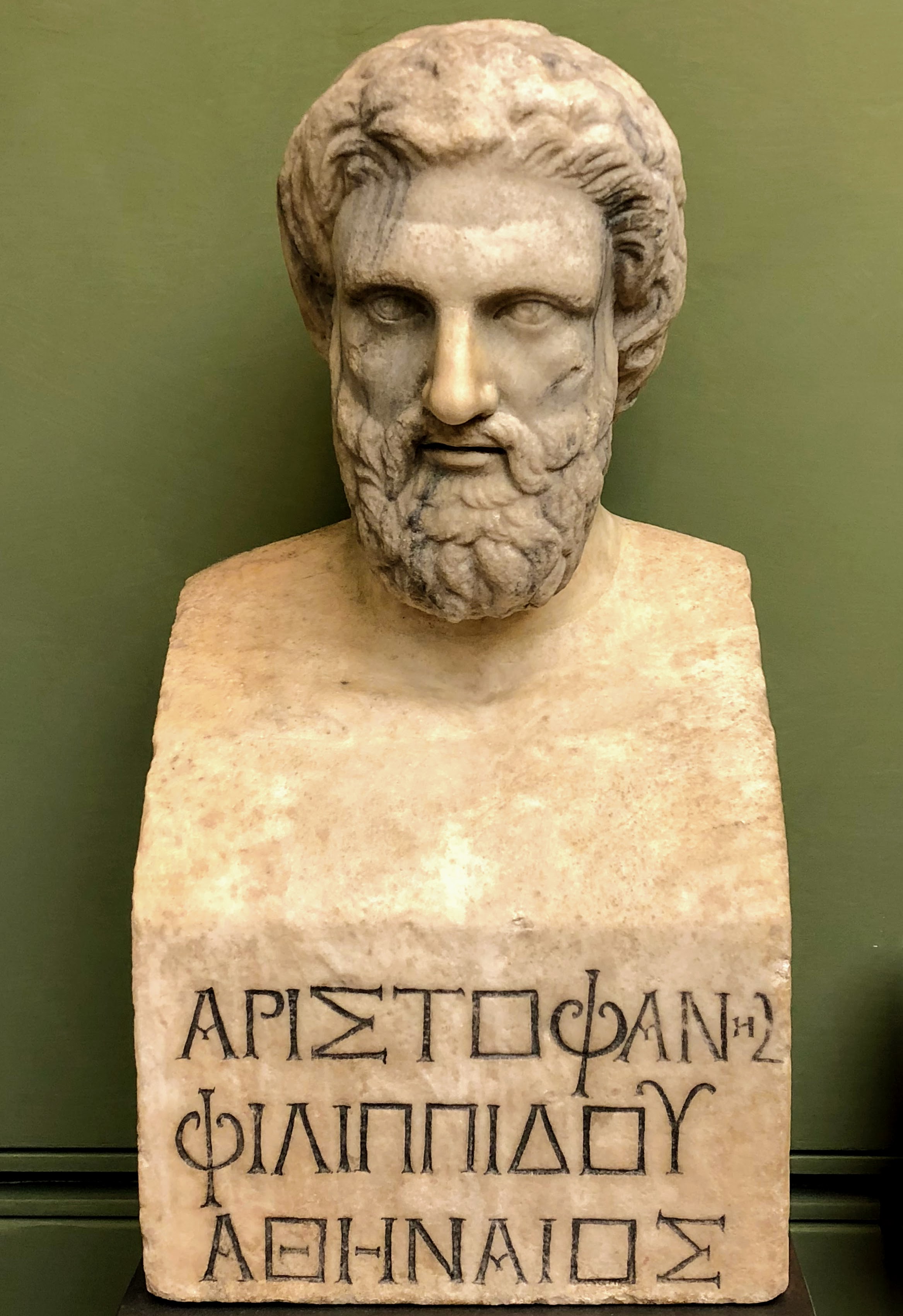
But there’s a limit. Aristophanes observed it bluntly centuries ago: “Youth ages, immaturity is outgrown, ignorance can be educated, and drunkenness sobered, but stupid lasts forever.” You can develop almost anything in a person, except fundamental judgment. Hire and invest accordingly. But knowing what you can’t fix shouldn’t make you conservative about who you’re willing to bet on in the first place.
Steve Jobs understood that:
“Here’s to the crazy ones, the misfits, the rebels, the troublemakers, the round pegs in the square holes… You can quote them, disagree with them, glorify or vilify them, but the only thing you can’t do is ignore them because they change things.”
Hire some of those. You won’t regret it.
Strategy Is Action, Not a Document
The best definition of an executive I’ve ever encountered is this: an executive is a person who makes happen what needs to happen. Not someone who identifies what needs to happen. Not someone who delegates what needs to happen. Someone who makes it happen.
Strategy suffers when it becomes a planning exercise rather than a commitment to action. It also suffers when we let measurement drive meaning rather than the other way around. David Epstein, author of The Sports Gene and Range and someone who has spent his career studying what actually drives human performance, put it sharply: “The desire to validate everything by data is backward. It’s making something important because we can measure it, it’s not measuring it because it’s important.” Sociologists have a name for this failure mode: the McNamara Fallacy, after Robert McNamara’s use of body counts as the defining metric of success in Vietnam, a war that looked winnable on spreadsheets and wasn’t. The observation carries into sports, where the analytics revolution taught teams to obsess over what could be quantified: exit velocity, win shares, split times. The same trap exists in every organization. Culture, trust, judgment, and momentum are the things that matter most in a team, and they’re often the hardest to put on a dashboard. Don’t let that make them invisible.
The acid test of a real strategy is simple: can every person on your team tell you exactly what their role is and what they need to do? If not, you have a document, not a strategy.
One more thing worth internalizing: if roadmaps are paved from the future back to the present, they show us the systems and sequences of dependencies needed to bring a future to life. If they are paved from the present into the future, they are usually scattered vectors based on requests and impulse.
Start from where you want to go.
The Hard Moments Define You
Leadership isn’t only all-hands speeches and org design. It’s also the conversation where you tell someone today is their last day. It’s the feedback that someone doesn’t want to hear. It’s the goodbye email you write when you’re the one leaving.
I’ve been in all of those rooms. What I’ve learned is that the quality of your leadership in those moments is what people actually remember.
When delivering hard news, clarity is kindness. Vague language isn’t gentler; it’s just confusion layered on top of pain. When giving critical feedback, own it directly. When saying goodbye, be honest about what the experience meant.
And when things go wrong, as they will, two of the most powerful words available to a leader are simply: “I’m sorry.”
What I Keep Coming Back To
After two decades, here’s what I believe to be true:
- People don’t leave companies. They leave their managers.
- You are underestimating the compounding value of fixing small broken things.
- Make time for your team, or you won’t have one.
- Vision without execution is hallucination.
- “The road to easy street goes through the sewer.” — John Madden
The best leaders I’ve known share something with the best teachers: neither measures their success by what they personally accomplished. They measure it by what the people around them went on to do. In that sense, leadership at its highest is just teaching with higher stakes: you’re still in the business of shaping how someone sees a problem, believes in themselves, and shows up when it matters. That’s why this line from The Emperor’s Club has always felt as true about leadership as it does about education:
“A great teacher has little external history to record. His life goes over into other lives. These men are pillars in the intimate structure of our schools. They will continue to be a kindling force and a revealing power in our lives.”
That’s what leadership is, at its best. Not a title. Not a strategy deck. A life that goes over into other lives.
Jonathan Orlando is a technology leader with experience spanning network engineering, streaming infrastructure, and enterprise IT. He has led teams at MLB Advanced Media, Disney Streaming Services, and SiriusXM.